Jelly: A Handwritten Font for Creative and Authentic Designs
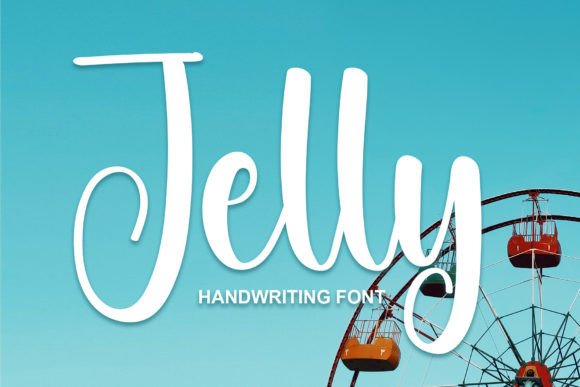
There’s a certain magic in a font that feels like it was just written by hand, full of personality and spontaneous energy. That’s exactly the vibe you get with Jelly, a simple handwritten font crafted in a random freestyle style. It brings a genuine, approachable touch to any project, making it an excellent choice for designers looking to inject a bit of warmth and authenticity into their work.
As a versatile display font, Jelly isn't just for one type of project. Its freestyle character makes it a fantastic creative font for a wide array of applications. Think about designing a logotype that needs to feel friendly and memorable. Jelly’s organic strokes can help establish a unique brand identity that stands out from more rigid, corporate typefaces. It’s equally at home on posters, album covers for music projects, or dynamic title screens for indie games and short movies.
Where Jelly Truly Shines
The practical uses for a font like Jelly are extensive. Its casual elegance makes it suitable for both digital and print design assets. Here are a few specific scenarios where it can elevate your project:
- Apparel & Merchandise: Perfect for t-shirt graphics, tote bag designs, and merchandise that aims for a trendy, handmade aesthetic.
- Editorial & Packaging: Use it for headlines in editorial design or on product packaging to create a friendly, artisanal feel that catches the eye on shelves.
- Digital & Social Media: It works beautifully for social media graphics, website headers, and digital product mockups, helping content feel more personal and engaging.
- Invitations & Stationery: Its handwritten nature is ideal for wedding invitations, greeting cards, and event posters where a personal touch is key.
Tips for Using Jelly Effectively
While Jelly is a premium font designed for impact, a few considerations will help you use it to its full potential. First, always check readability, especially at smaller sizes or against complex backgrounds. Its freestyle nature means it’s best suited for headlines, logos, and short phrases rather than long blocks of body text.
Think about the mood of your project. Jelly’s playful, modern typography vibe pairs well with clean sans serif fonts for a balanced contrast. Try testing font pairing with a simple geometric sans-serif for subheadings or body copy to maintain clarity while keeping the design dynamic. Before starting, review the available styles and weights—some script fonts and handwritten typefaces come with alternates or ligatures that can add extra flair.
Finally, ensure the font license fits your intended use, whether for a personal project or a commercial font download for client work. A well-chosen typeface like Jelly does more than just display words; it helps build visual consistency, strengthens brand recognition, and contributes to a polished, professional presentation. Investing time in selecting the right typeface is a small step that can make a significant difference in how your designs are perceived and remembered.